Exploring Japanese Fast Foods and Their Impact on Global Food Culture

Japanese cuisine has long fascinated food lovers worldwide, not only for its delicate flavors but also for its diverse range of fast foods that have become staples both in Japan and abroad. From comforting bowls of ramen to crispy tenpura, and from savory okonomiyaki to sweet treats like taiyaki, Japanese fast foods offer a unique blend of tradition and innovation. This post explores some of the most popular Japanese fast foods, their origins, and how they have influenced global food culture.
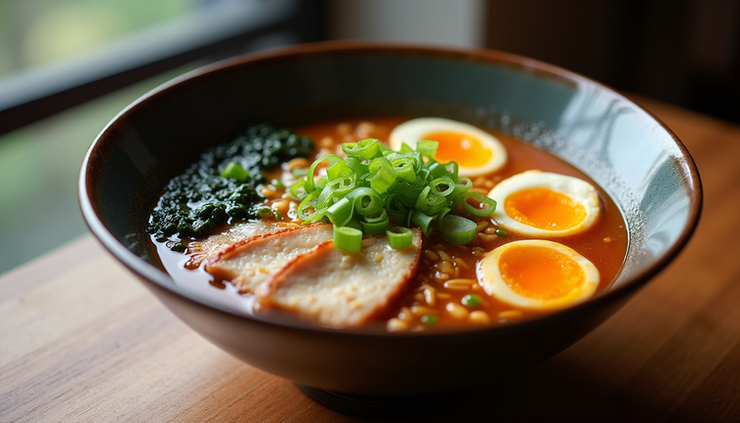
The Heart of Japanese Fast Food: Noodles and Rice Bowls
Japanese fast food often revolves around noodles and rice, two staples of the Japanese diet. These dishes are quick to prepare, filling, and packed with flavor.
Soba and Udon: Traditional Noodles with Modern Appeal
Soba are thin buckwheat noodles served either hot in broth or cold with dipping sauce. They are appreciated for their nutty flavor and health benefits. Udon, on the other hand, are thick wheat noodles known for their chewy texture. Both soba and udon are commonly found in fast food stalls and casual restaurants, offering a quick meal that can be customized with tempura, green onions, or tofu.
Ramen: Japan’s Global Noodle Icon
Ramen has become a global phenomenon. Originating from Chinese-style wheat noodles, ramen evolved in Japan into a dish with regional varieties such as miso ramen from Hokkaido and tonkotsu ramen from Kyushu. It features a rich broth, noodles, and toppings like sliced pork, bamboo shoots, and soft-boiled eggs. Its popularity has led to ramen shops worldwide, making it a symbol of Japanese fast food culture.
Rice Bowls: Katsudon and Unadon
Rice bowls topped with flavorful ingredients are another cornerstone of Japanese fast food.
Katsudon features a breaded, deep-fried pork cutlet served over rice with a savory-sweet egg and onion sauce. It is a hearty dish often enjoyed as a quick lunch.
Unadon consists of grilled eel glazed with a sweet soy-based sauce, served on steamed rice. It is prized for its rich taste and is often eaten during summer for stamina.
These bowls combine convenience with satisfying flavors, making them popular choices for busy people.
Japanese Fast Food Beyond Noodles and Rice
Japanese fast food culture also includes a variety of snacks and dishes that showcase creativity and regional flavors.
Sushi: From Fast Food to Fine Dining
While sushi is often associated with fine dining, conveyor belt sushi restaurants (kaiten-zushi) have made it accessible as fast food. These establishments serve plates of sushi on a rotating conveyor belt, allowing customers to pick what they want quickly and affordably. This innovation helped spread sushi worldwide, turning it into a global fast food favorite.
Tenpura: Crispy Bites of Delight
Tenpura consists of seafood or vegetables coated in a light batter and deep-fried until crispy. It is often served as a side dish or atop noodles and rice bowls. The technique of frying in tenpura is delicate, producing a light texture that distinguishes it from heavier fried foods. Tenpura’s popularity has led to specialized fast food outlets and inclusion in bento boxes.
Okonomiyaki and Takoyaki: Savory Street Foods
Two iconic street foods that have become fast food staples are okonomiyaki and takoyaki.
Okonomiyaki is a savory pancake made with flour, eggs, shredded cabbage, and various fillings such as pork, seafood, or cheese. It is cooked on a griddle and topped with sauces, mayonnaise, and bonito flakes.
Takoyaki are small, round balls of batter filled with diced octopus, tempura scraps, and green onions, cooked in a special molded pan. They are crispy outside and soft inside, often topped with takoyaki sauce and dried seaweed.
Both dishes originated in Osaka and have spread throughout Japan and internationally, often featured at festivals and fast food stalls.
Sweet Japanese Fast Foods: Taiyaki and Imagawayaki
Japanese fast food culture also embraces sweets, with taiyaki and imagawayaki being popular treats.
Taiyaki is a fish-shaped cake filled with sweet red bean paste, custard, or chocolate. Its distinctive shape and warm filling make it a favorite street snack.
Imagawayaki is a round, thick pancake filled similarly to taiyaki but with a different shape and texture.
These sweets are often enjoyed as quick snacks and have gained popularity in other countries through Japanese dessert shops.
Teppanyaki: Fast Food with a Show
Teppanyaki refers to dishes cooked on an iron griddle, often in front of customers. While it can be a fine dining experience, many casual teppanyaki restaurants serve fast, grilled dishes such as yakisoba (fried noodles), grilled meats, and vegetables. The interactive cooking style adds entertainment value, making it a popular choice for quick meals.
How Japanese Fast Foods Influence Global Food Culture
Japanese fast foods have shaped global food culture in several ways:
Adaptation and Fusion: Many Japanese fast foods have been adapted to local tastes worldwide. For example, ramen shops in the US often add unique toppings like corn or cheese, while sushi rolls have evolved into creative fusion dishes.
Convenience and Quality: Japanese fast food emphasizes fresh ingredients and balanced flavors, setting a standard for quality even in quick meals.
Street Food Popularity: Dishes like takoyaki and okonomiyaki have inspired street food vendors globally, promoting casual, affordable dining.
Health Consciousness: Options like soba and udon noodles appeal to health-conscious consumers, influencing fast food menus to include lighter, nutritious choices.
These factors contribute to the growing appreciation and incorporation of Japanese fast foods in international culinary scenes.
Practical Tips for Enjoying Japanese Fast Foods
If you want to explore Japanese fast foods, here are some tips:
Visit local Japanese restaurants or food festivals to try authentic dishes.
Try making simple dishes at home, such as ramen or okonomiyaki, using available ingredients.
Explore conveyor belt sushi restaurants for a fun and affordable sushi experience.
Look for Japanese grocery stores that sell ready-made snacks like taiyaki or frozen tenpura.
Experiment with fusion recipes that combine Japanese fast foods with your favorite local flavors.
Final Thoughts on Japanese Fast Foods and Their Global Reach
Japanese fast foods offer a rich variety of flavors and textures that appeal to many tastes. Their balance of tradition and innovation has helped them cross cultural boundaries and become part of the global food scene. Whether you enjoy a bowl of ramen, a crispy tenpura, or a sweet taiyaki, these dishes provide quick, satisfying meals that reflect Japan’s culinary creativity.


Comments